Neil’s Story
"Sustainability was already increasingly important to me by the time I sold my business a few years ago. I wanted a balance between performance and environmental responsibility and that’s what I found at Edison."


"Sustainability was already increasingly important to me by the time I sold my business a few years ago. I wanted a balance between performance and environmental responsibility and that’s what I found at Edison."

A wealth manager is qualified to help with the difficult financial decisions during, and after, a divorce. Some individuals are sufficiently experienced to navigate these decisions unaided. But if that is not you, or you simply do not have the time, then you may need to take some advice. Here we explain what wealth management advice is, how to engage with a wealth manager and what you can expect in return.

One year into the pandemic, the gradual reopening of society is allowing for high streets and city centres to welcome back shoppers and workers. Rising levels of activity have stirred discussions about inflation. But why does inflation matter? This insight piece will explain some potentially wide-reaching impacts and the ways investors might mitigate the risk.

The coronavirus has brought with it new awareness and understanding of the risks involved in everyday life. In seeking a return, investing also comes with its own set of risks. In this insight piece, we explore an important hidden force within volatile portfolios that can have huge long-term consequences.

"It matters to me that my money not only avoids making things worse, but actively goes some way to making things better. As well as how my money is invested, I have appreciated the wider advice Edison have given in areas you would not normally expect."
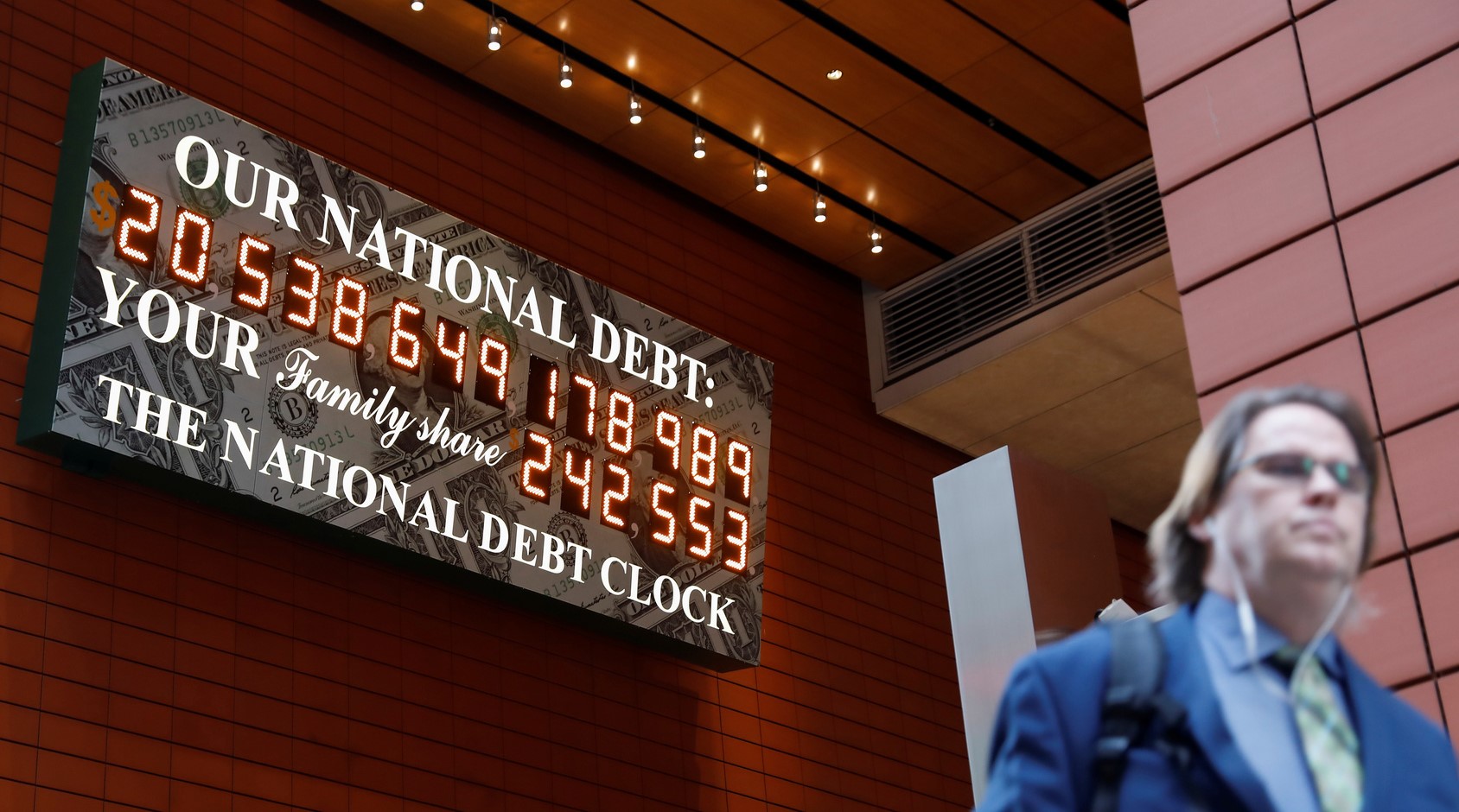
From furlough to support payments, one knock-on effect of the coronavirus pandemic has been a huge increase in the required levels of government spending. In order to pay for it, government debt around the world has been rising. The US alone is expected to add $2 trillion to its balance sheet this year. As the numbers become ever more unfathomably large, we consider whether we are headed towards a different, debt-shaped, crisis. Does the debt matter?

During the coronavirus pandemic we have witnessed interest rates fall to historic lows globally. For now, they are set to remain low or, as some have suggested, even turn negative. We explore the often misunderstood topic of interest rates with a brief look back to their early origins in the ancient region of Mesopotamia, and what negative rates might mean for savers and borrowers.

The proportion of different components within a portfolio - otherwise known as its asset allocation - has the biggest impact on its risk and return. Over time however, different assets tend to perform well at different points. This can cause the asset allocation to drift away from its target.
In this insight piece we consider one way we can avoid the risk of this portfolio drift, while at the same time ensuring we adhere to the mantra “buy low, sell high”.
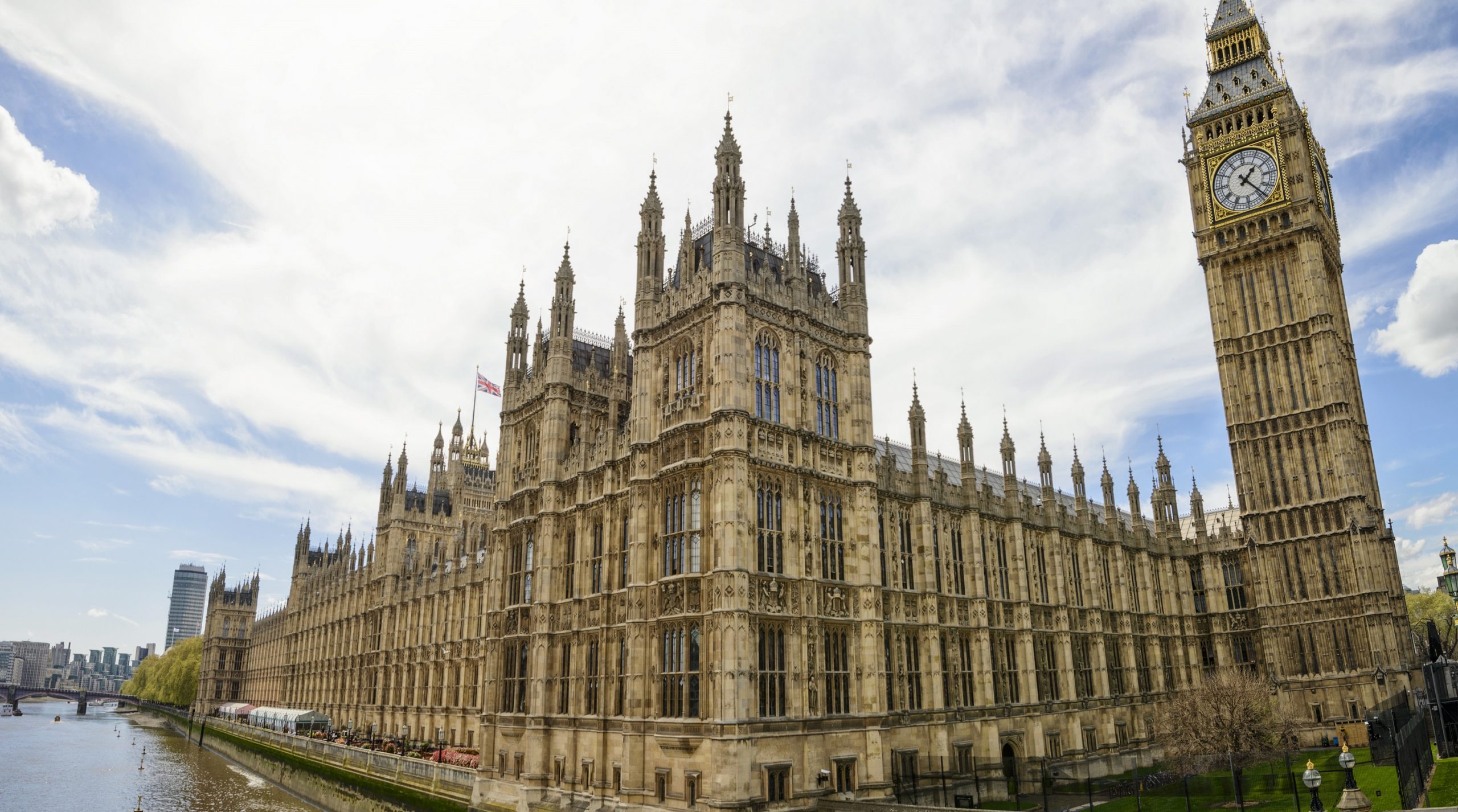
Many of the changes in yesterday’s Budget had been previously publicised, even before the current Chancellor took office barely a month ago. The remainder of the Budget was a post Covid-19 government spending package the likes of which we have not seen for a while.
We have summarised what we think are the highlights.

The last decade has revealed a story of post-crisis recovery and stock market growth. All this despite years of economic uncertainty and political disorder.
So what might the 2020s hold for investors? Looking back, we identify the key themes of the past and pick out some enduring principles for the future.
The value of investments and the income arising from them can go down as well as up and is not guaranteed, which means that you may not get back what you invested. Past performance is not necessarily a guide to the future. The information contained in this website does not constitute advice. The FCA does not regulate tax advice. The FCA does not regulate advice on Wills and Powers of Attorney. The Financial Ombudsman Service is available to sort out individual complaints that clients and financial services businesses aren’t able to resolve themselves. To contact the Financial Ombudsman Service please visit www.financial-ombudsman.org.uk.